

Vehicle profile
Connector, vehicle and usage information is the shared starting point for different modules such as the map and planning.
Seeing a station on the map, planning a trip and following the financial outcome of a project each require different data flows. The eBattery architecture meets these needs with suitable sources and separate responsibilities.
Every technology component exists to provide the user with an understandable service or a traceable record.
Vehicle and user preferences.
Charging network and service connections.
Source, freshness and authorization.
App information and project report.
Connector, vehicle and usage information is the shared starting point for different modules such as the map and planning.

The natural-language request is understood; route and energy results are produced by the relevant calculations. Explanation and calculation work together.

Data such as stations, tariffs and sessions is obtained from the relevant networks according to the scope of the source and authorization.
OCPP and device management carry the station's status and session data to the operating system.
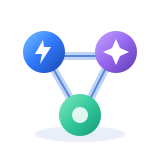
Connects physical measurements, verified records and approved results.

The user's permissions and the related transaction authorizations are managed together. Personal records are separated from publicly available information.
Base is a component of the planned blockchain infrastructure; Chainlink CRE of the oracle workflows; and AWS IoT of the device connectivity approach. The scope of each connection is verified during the testing and implementation phase.
ERC-721 for the station passport, ERC-3643 for eligibility-controlled economic units and ERC-4337 for the smart wallet experience address different needs. Which right an investor holds is determined by the project documents, not by the technical standard alone.
Share the protocols you support and your connection target.